

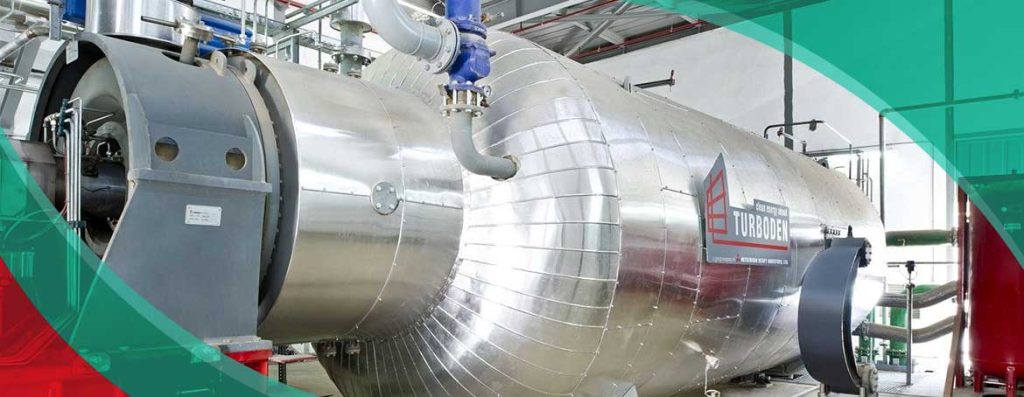

Turboden,Italy Organic Rankine Cycle (ORC) System
ITAL Energy has completed 12+ project in 10 + countries for the Turboden, Italy
Turboden is an Italian firm and a global leader in the design, manufacture and maintenance of Organic Rankine Cycle (ORC) systems, highly suitable for distributed generation, that generate electric and thermal power exploiting multiple sources, such as renewables (biomass, geothermal energy, solar energy), traditional fuels and waste heat from industrial processes, waste incinerators, engines or gas turbines. Today Turboden expands its solutions with gas expanders and large heat pumps to contribute to the worldwide efforts to mitigate global warming by creating reliable and clean energy systems.
With Presence in our 52 countries with over 500 state of the art energy efficient power plants. ITAL Energy takes proud in its partnership with Tuboden, Italy.
Being Partner ITAL Energy is committed to provide services for engineering, design, commissioning of Energy sector projects. ITAL Energy working for the worldwide projects of Turboden spa Italy, ITAL Energy has performed the commissioning of the projects in Europe, Canada, Central America & Turkey. As a trading partner for Pakistan, ITAL Energy provides local support from sale to the execution of the projects.
Our collaboration with Turboden empowers us to integrate their cutting-edge technologies into our energy solutions. This strategic partnership enhances our capabilities, allowing us to offer state-of-the-art and sustainable energy solutions tailored to the unique needs of the Pakistani market.
Turboden is offering many solutions in the below areas

Waste Heat Recovery

Combined Cycles

Oil & Gas

Large Heat Pump

Gas Expanders

Geo Thermal

Bio Mass

Waste to Energy
What is the ORC system generation technology?
The Rankine Cycle is a thermodynamic cycle that converts heat into work. The heat is supplied to a closed loop, which typically uses water as working fluid. The Rankine Cycle based on water provides approximately 85% of worldwide electricity production.
The Organic Rankine Cycle’s principle is based on a turbogenerator working as a conventional steam turbine to transform thermal energy into mechanical energy and finally into electric energy through an electrical generator. Instead of generating steam from water, the ORC system vaporizes an organic fluid, characterized by a molecular mass higher than that of water, which leads to a slower rotation of the turbine, lower pressures and no erosion of the metal parts and blades.
The ORC turbogenerator uses medium-to-high-temperature thermal oil to preheat and vaporize a suitable organic working fluid in the evaporator (4>5). The organic fluid vapor rotates the turbine (5>6), which is directly coupled to the electric generator, resulting in clean, reliable electric power.
The exhaust vapor flows through the regenerator (6>7), where it heats the organic liquid (2>3) and is then condensed in the condenser and cooled by the cooling circuit (7>8>1). The organic working fluid is then pumped (1>2) into the regenerator and evaporator, thus completing the closed-cycle operation.
Features
The ORC unit is a system based on a closed-loop thermodynamic cycle for the generation of electric and thermal power, especially suitable for distributed generation. In this section the key points of ORC technology compared to steam technology are explained.
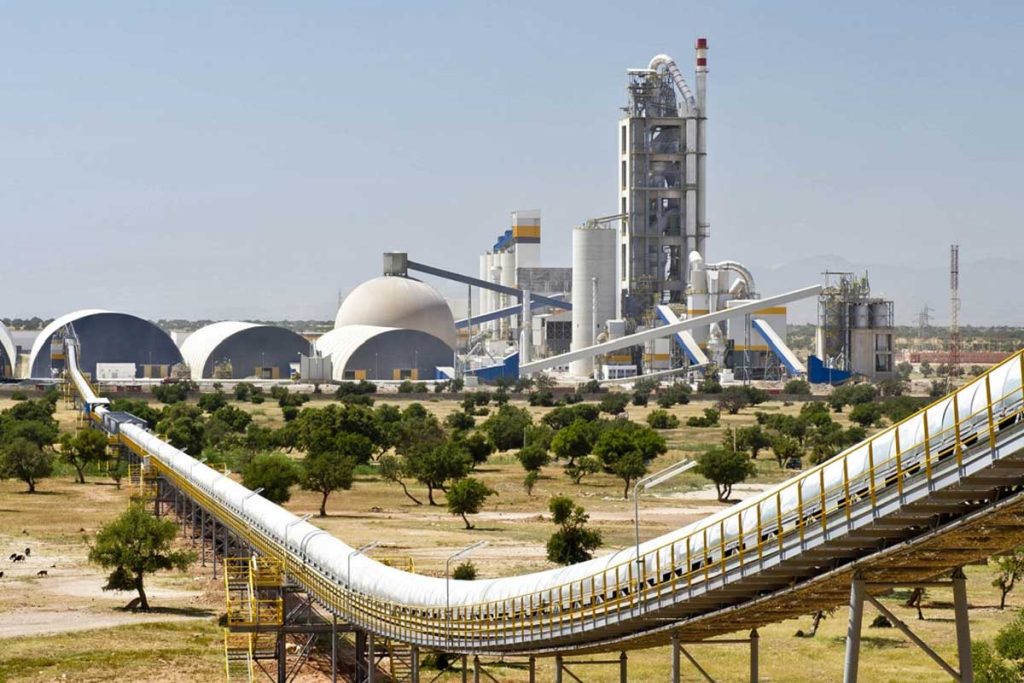
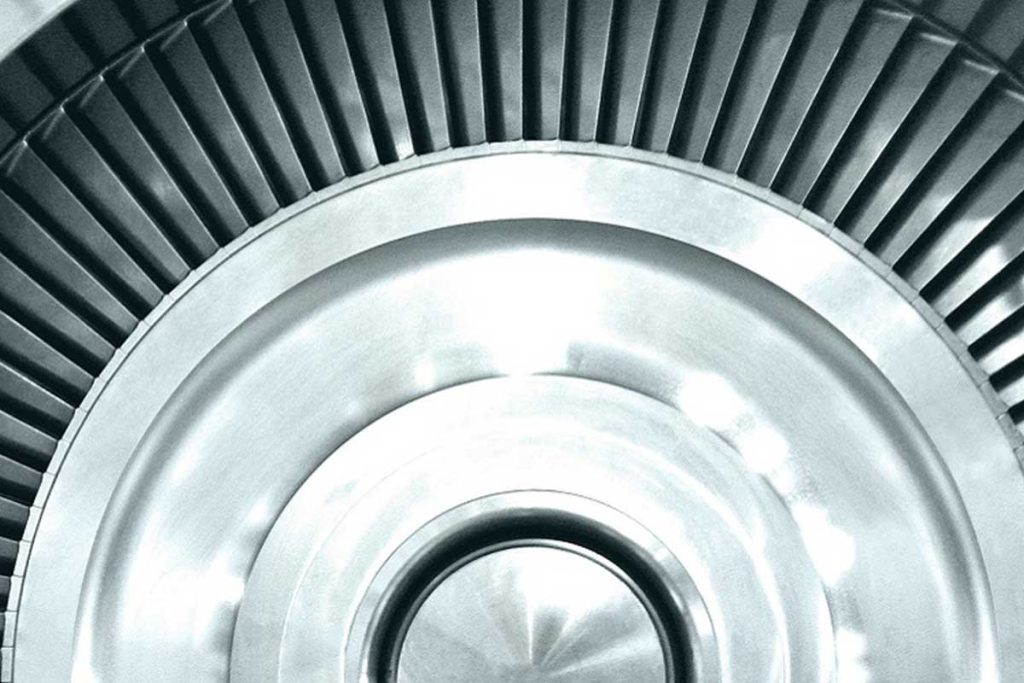
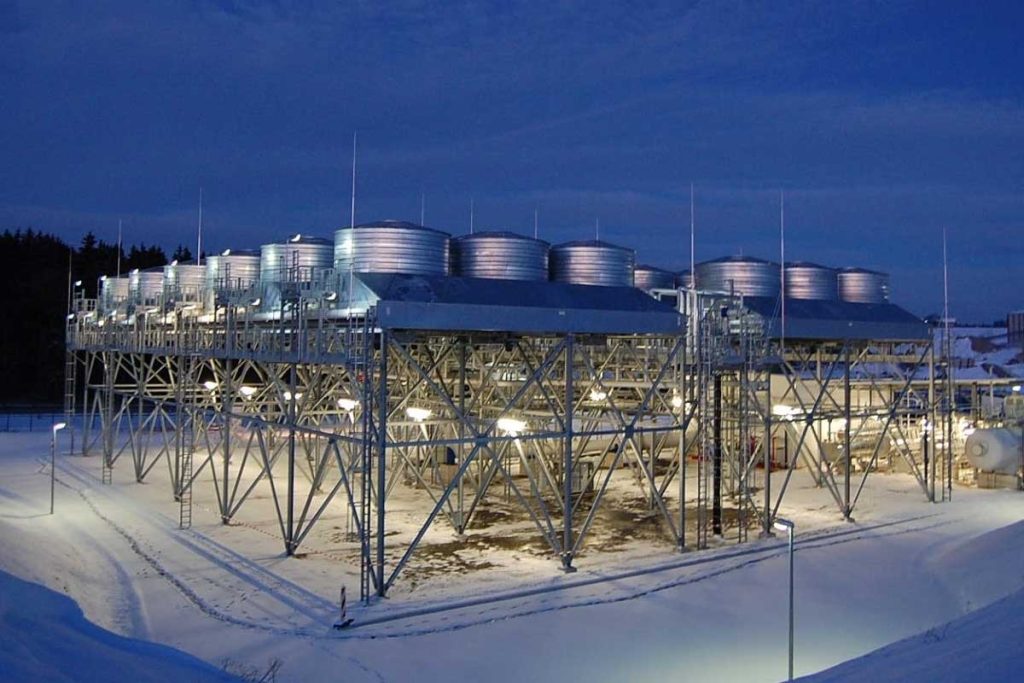
The Ranking Cycle
- Large range of sizes from small to medium sizes (up to 20 MW per single shaft)
- Different primary energy sources, from renewable energy (geothermal, solar, biomass) to energy efficiency (i.e. waste heat from industrial processes) to conventional fuels (natural gas, flare gas)
- Different kind of heat carrier fluids: intermediate fluid (thermal oil, saturated steam, water) or directly from industrial smoke through a direct exchange
- Large rangeability: different temperatures of the source (even below 100°C through selection of proper working fluid); partial load (the ORC system keeps high electrical efficiency even when operating with lower thermal power input, even 10% of the nominal one)
- * The efficiency of the ORC system is always optimized: on average at 50% load, electrical efficiency is still 90% of the nominal electrical efficiency.
- Cogeneration mode or power-only mode. In cogeneration, the thermal output can be hot water or steam
- Ease of integration into pre-existing systems (i.e. in waste heat recovery from industrial processes)
- Island mode capability
Easy Technology
- Simple technical features: low pressures involved, low speed turbine, limited number of stages of the turbine (≤6), self-lubricating fluids, no water required
- Easy and cost-effective operation & maintenance: automatic operation (no qualified operator required), minimal maintenance activities, no major overhaul (turbine not subject to erosion and corrosion), fast start-stop procedures, no chemical and water treatments, low refiling of fluid required
- Possibility to install the ORC unit in remote places, working efficiently
Sustainability
- Core system for renewable energy and energy efficiency
- Clean generation of power and heat
- Reduction of CO2 emissions (e.g. in heat recovery or in geothermal where the ORC system operates with zero emissions thanks to the reinjection)
The Turboden Advantage

Innovation
Turboden has always been oriented to innovation and R&D and has always had a strong connection with the academic research. The company is a pioneer in ORC technology thanks to the design and the manufacturing of experimental ORC plants such as the first solar thermodynamic ORC unit in 1984, the experimental heat recovery ORC power plant in 1996 and the first biomass ORC unit in 1998. Turboden has an internal Research & Development Centre, working on fluid dynamics and thermodynamics to continuously improve the performance of its ORC units. Contributions and ideas by employees, most of them engineers, are encouraged by the management and help greatly to improve Turboden plants’ design and manufacturing.
The Turbine
More than 60 different axial turbines were designed and realized for various projects, from 2 to 6 stages reaching up to 20 MW of power and in some cases exceeding isentropic efficiency 90%.
Working Fluids
More than 10 different working fluids have been used by Turboden to date, e.g. silicon fluids, hydrocarbons, old and new generation refrigerants, depending on the application. Over time and through an important R&D effort, Turboden has developed a deep understanding of fluid properties, thermal stability and flammability, key factors in the decision on the best fluid for each specific application. A successful ORC installation begins with the right fluid selection.
Operating Temperatures
Turboden unique knowledge of fluids and attitude to innovation have allowed to increase operating temperature continuously, improving efficiency levels in power only and CHP configurations. Today turbine inlet temperature exceeding 300°C is standard technology, a further confirmation of Turboden leadership in its field.
The latest development of Turboden is in biomass application, where a new ORC unit operates at very high temperatures (about 400°C) either in CHP mode (generating medium pressure steam to feed industrial users), or in power only solution (exceeding 30% gross electric efficiency).